Provisional President of Africa — The Visionary Who Built a Bridge Across the Atlantic, connecting Jamaica, Sierra Leone, and the global African Diaspora.
"Up, you mighty race! You can accomplish what you will. A people without the knowledge of their past history, origin, and culture is like a tree without roots."
— Marcus Mosiah Garvey, Founder of the UNIA
Born on August 17, 1887, in St. Ann's Bay, Jamaica, Marcus Garvey was the youngest of eleven children. As a young printer's apprentice in Kingston, he witnessed brutal inequalities that shaped his life's mission.
In August 1920, at Madison Square Garden, 25,000 delegates unanimously elected Garvey as "Provisional President of Africa." The UNIA grew to become the largest Black organization in history.
Among all nations of Africa, Sierra Leone held a special place in Garvey's vision. Founded as a homeland for freed Africans, Freetown was living proof that the Atlantic crossing could be reversed.
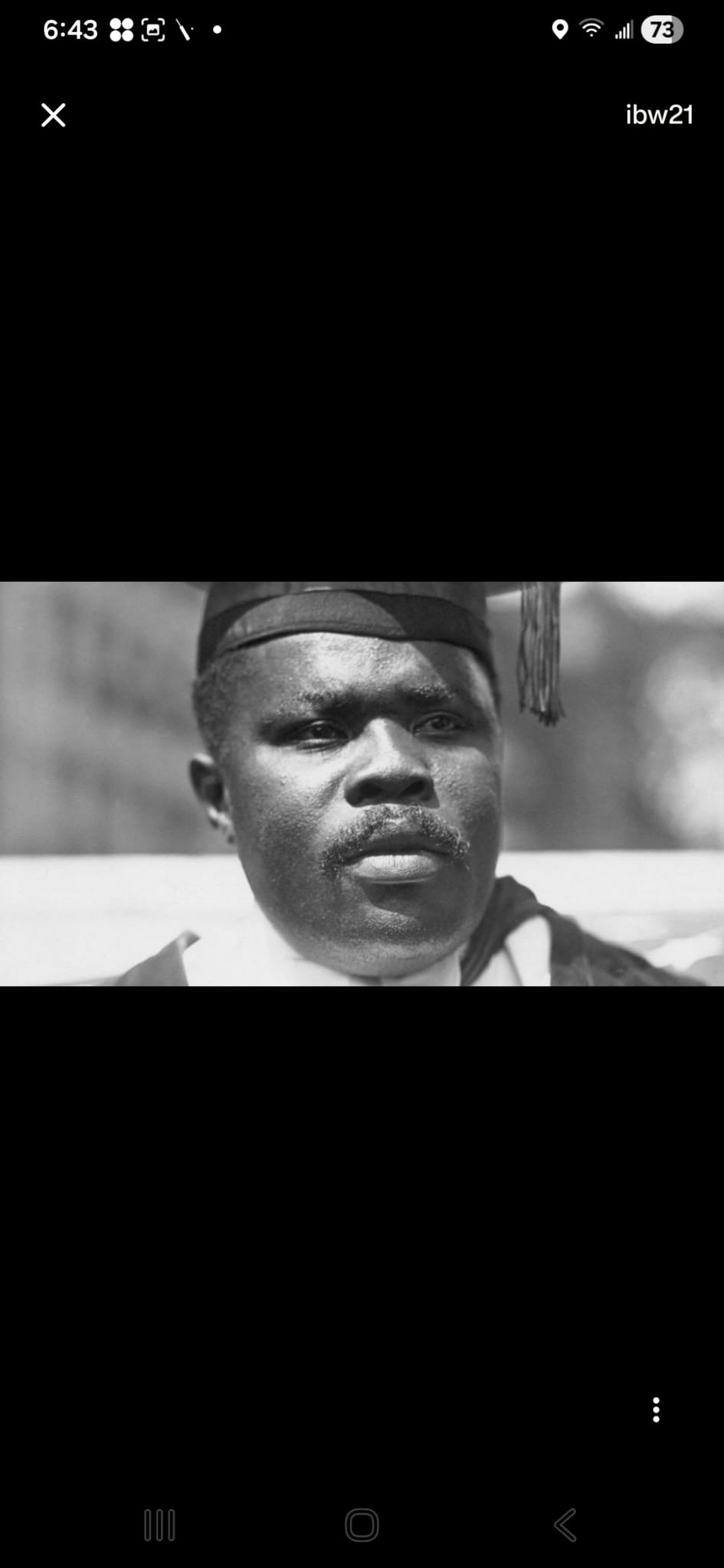
Portrait Series — A close-up portrait of Marcus Garvey wearing a hat.
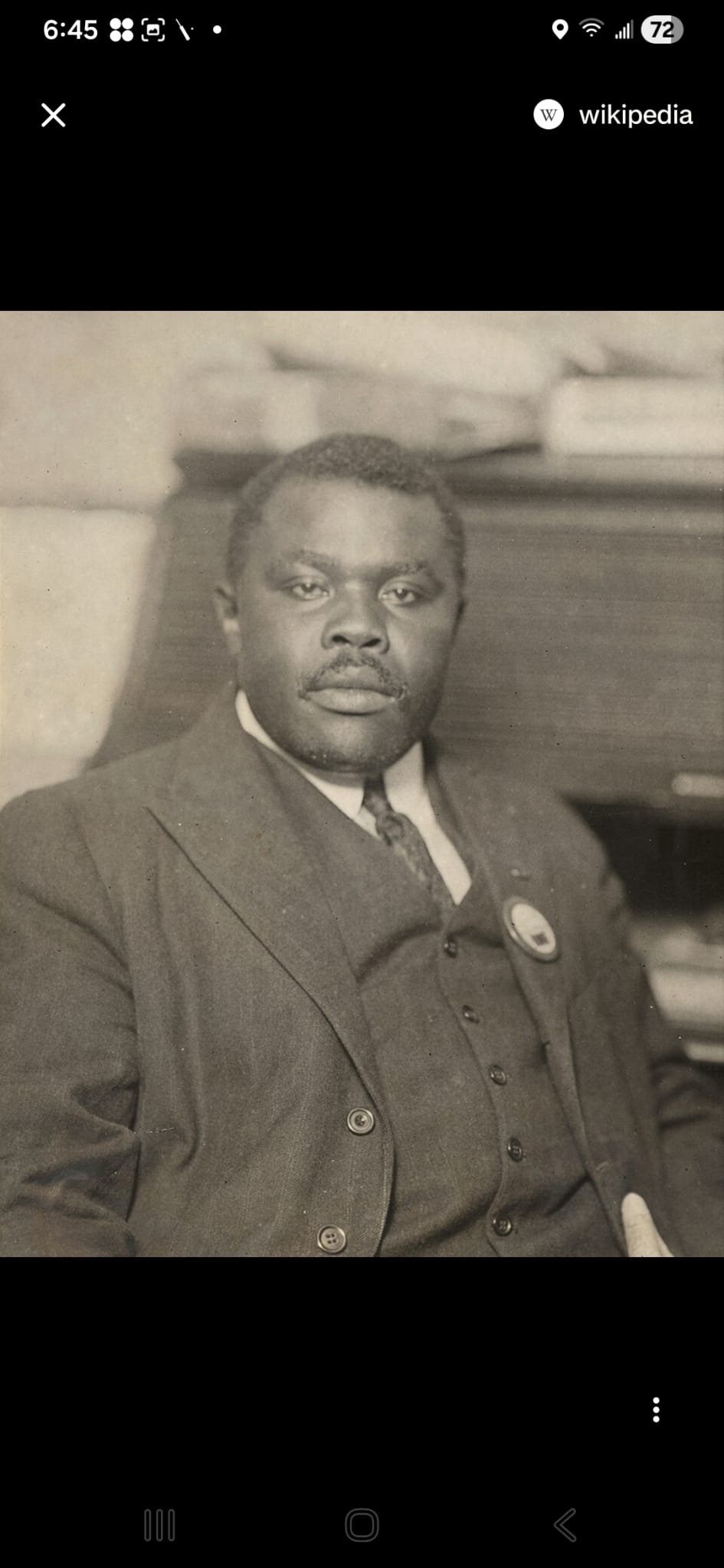
Official Portrait — Sepia-toned official portrait of the statesman elected by millions.
1922 — Peak of Power — Garvey in the ornate UNIA uniform with feathered hat.
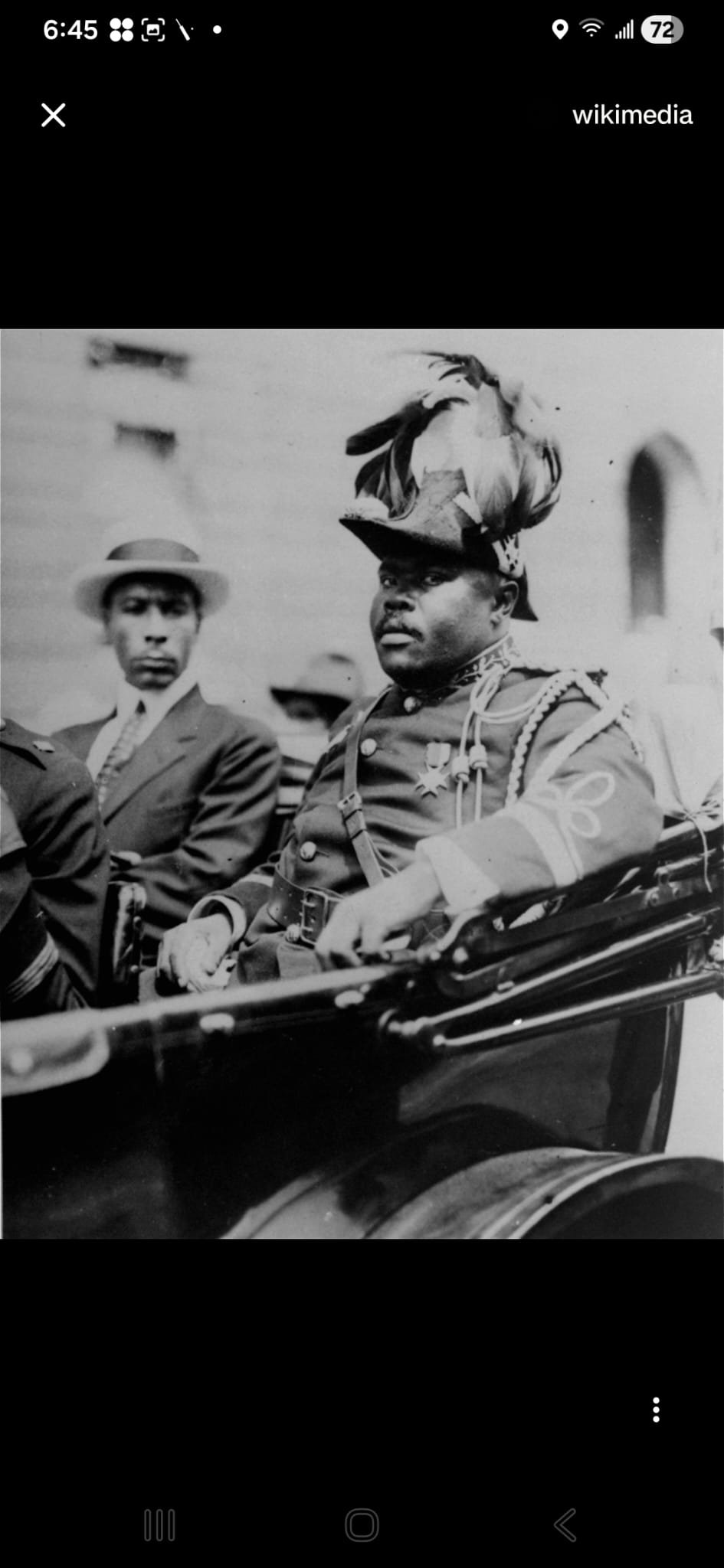
The Visionary — A striking portrait capturing Garvey's commanding presence.
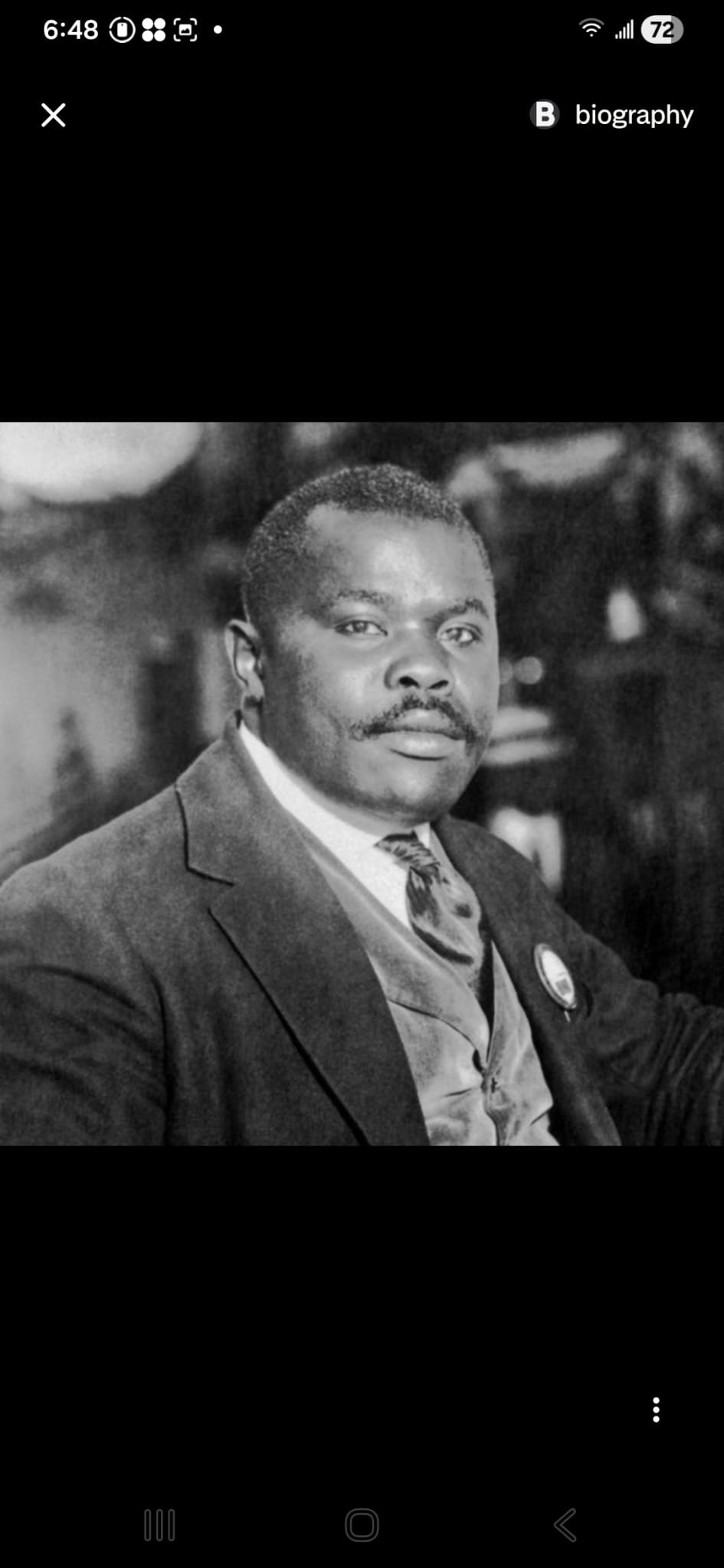
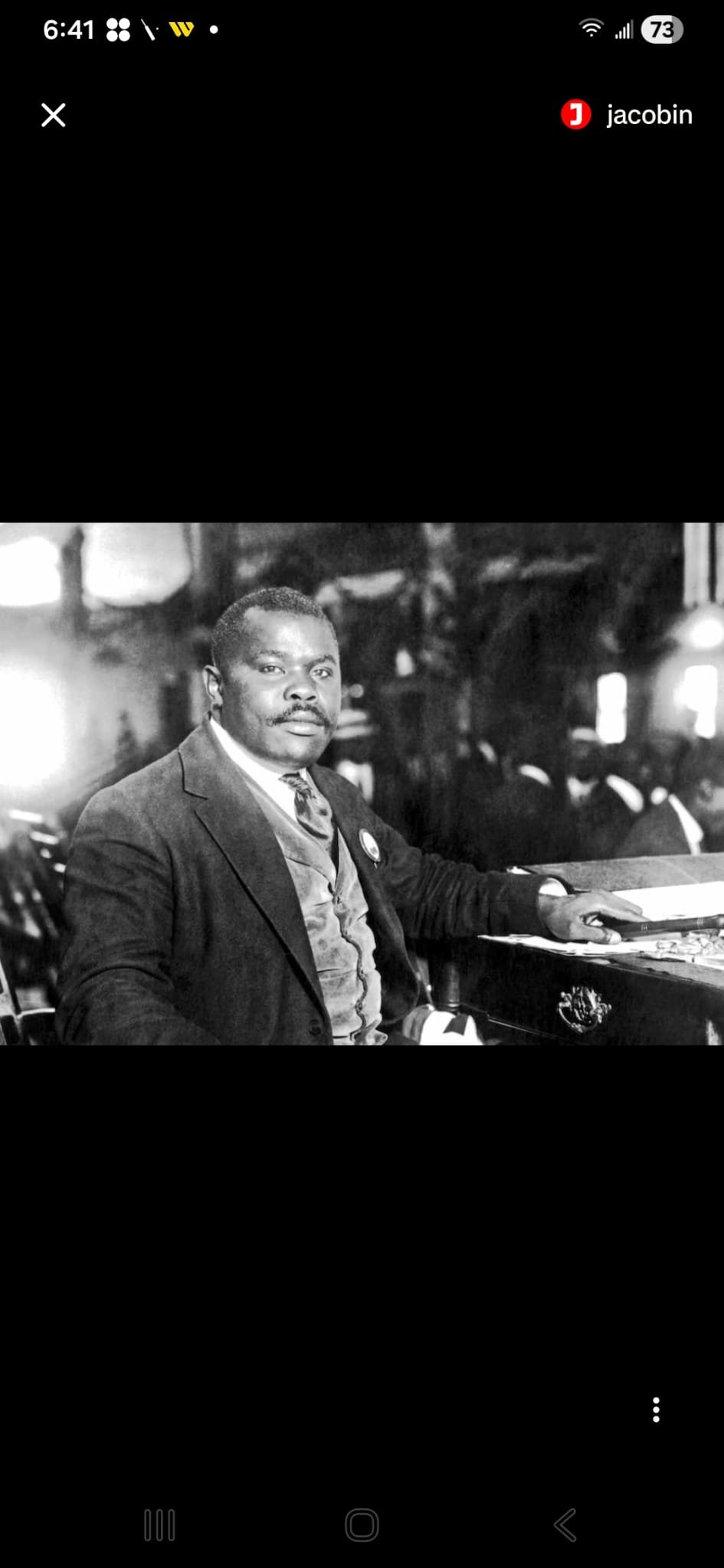
Behind the Scenes — Garvey seated at his desk — the disciplined intellectual.
After the Second Maroon War, over 500 Jamaican Maroons were captured and exiled by the British to Nova Scotia, Canada.
The Maroons petitioned for relocation and were transported to Sierra Leone, arriving in Freetown where they became a foundational community.
On Emancipation Day in Jamaica, Garvey establishes the Universal Negro Improvement Association, connecting Black communities across the Atlantic.
UNIA chapters flourish in Sierra Leone. Garvey's Negro World newspaper circulates among the Krio community.
The Jamaica–Sierra Leone connection endures through shared surnames, cultural practices, and family lineages preserved by the JCNT Museum.